Pelvic Floor Power
Strengthen, recover, and feel confident in your own skin.
Are you experiencing any changes to your bladder and bowel function? Pelvic floor physiotherapy can help!
What does it involve?
A pelvic floor physiotherapist will assess your pelvic floor through an internal vaginal examination. There are other ways to assess the pelvic floor if you are not comfortable with this. We then provide an individualised program to meet your demands and needs and improve your symptoms.
It's so important to get the correct technique. An incorrect pelvic floor activation can worsen your symptoms. Our staff have over 10 years of experience in this field and can help guide you to a better quality of life.
The pelvis:
The pelvis protects and houses the pelvic organs.
For females include: the bladder, uretha, uterus, vagina and/or bowels and anus
For males its the bladder, urethra, prostate and/or bowels and anus
The pelvic region is a complex region as it not only houses the pelvic organs, but it protects many important structures such as the pelvic nerves and blood vessels. A lot of muscles of the hip, back, abdominals and groin also attach to the pelvis.
All of these structures in and around the pelvis work cohesively together to make sure we have a healthy pelvis.
What is the pelvic floor?
The pelvic floor is such a versatile muscle.
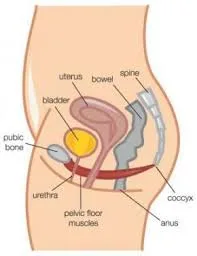
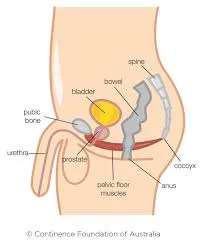
Images courtesy of Continence Foundation of Australia
When is the pelvic floor important?
The pelvic floor will be relevant at different stages of your life. Such occasions when the pelvic floor is important are:
Ready to Start Your Journey?
Take the first step toward better pelvic health. Our experienced physiotherapists are here to support you with compassionate, evidence-based care.
Book your consultation today and discover how pelvic floor physiotherapy can transform your health and confidence.
Ready to Get Started?
Book your consultation today and take the first step toward better health.